



Back pain makes daily life hard and confusing. A spinal block and epidural are two common injection options for short term or longer term relief. This guide explains how each works, who they suit, and when a Harley Street pain specialist in London advises one approach over the other.
TL;DR: Spinal Block and Epidural
A spinal block gives fast, strong numbness for short procedures or severe pain episodes. An epidural allows ongoing doses for longer term back pain control. Both have risks and side effects, so a specialist assesses your spine, nerves, and health history first. Use this guide for education, not as a replacement for medical advice.
When to Seek Urgent Medical Help for Back Pain
- Sudden weakness or inability to move.
- Loss of bladder or bowel control.
- Severe, persistent pain unrelieved by rest.
- Unexplained weight loss or fever.
- Pain following a serious injury or fall.
Spinal Block and Epidural, Key Differences
Both a spinal block and epidural target nerves in the lower back, yet they differ in needle depth, drug spread, and duration of pain relief. The points below highlight how these differences affect back pain treatment choices.
A spinal block is a single injection into the subarachnoid space, the fluid-filled area beneath the outer membrane (dura mater). It provides quick, complete numbness, typically lasting hours, often used in surgeries like C-sections.
An epidural involves placing a small tube (catheter) into the epidural space, outside the dura, allowing medicines to be administered gradually or repeatedly. It’s used for longer-lasting pain relief, common during labour or for chronic back pain.
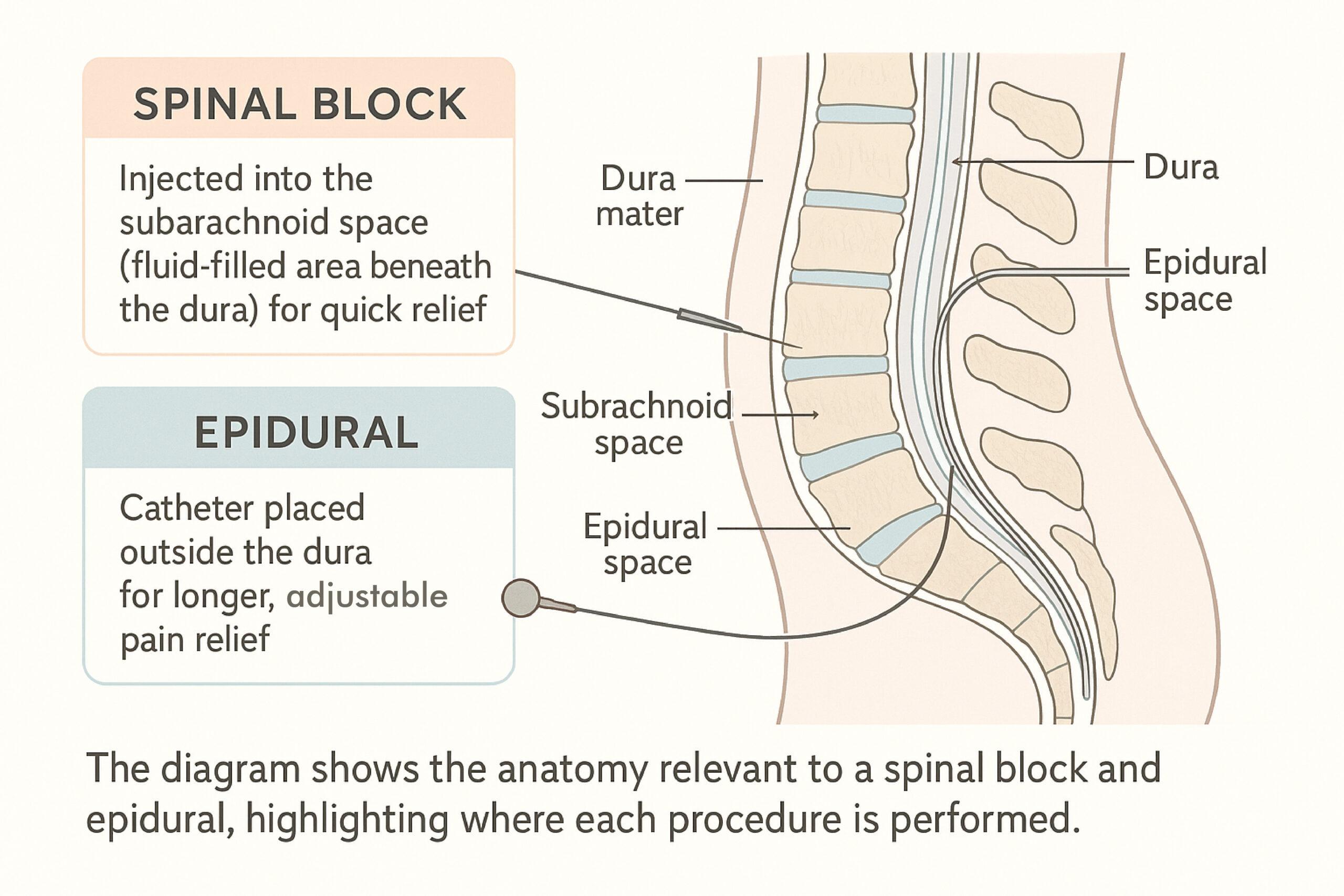
On the other hand, many people still confuse ‘spinal injections,’ ‘spinal blocks,’ and ‘epidurals,’ like this Reddit user who shared:
“I’m worried that a spinal injection for my back pain might feel similar to a spinal block used during C-sections, but I’ve heard it can be just a brief pressure or stinging, though some say it’s much worse. If I’m anxious about the pain or sedation options, I plan to discuss these concerns with my doctor, especially given my history with medication and anxiety.”
These pain relief options may feel the same, but the experience varies. Understanding these differences helps determine which is appropriate for your needs, as they target different areas and work in distinct ways. Dr Yasser Mehrez can help you determine the most appropriate option.
Learn more about the difference between a spinal block and an epidural.
How Spinal Blocks Work
A spinal block involves inserting a fine needle into the subarachnoid space, the fluid-filled area beneath the dura mater, the outer membrane covering the spinal cord. The medication is injected directly into this space to produce rapid pain relief, typically within minutes. It’s used for diagnostic tests, severe pain, or surgeries like C-sections.
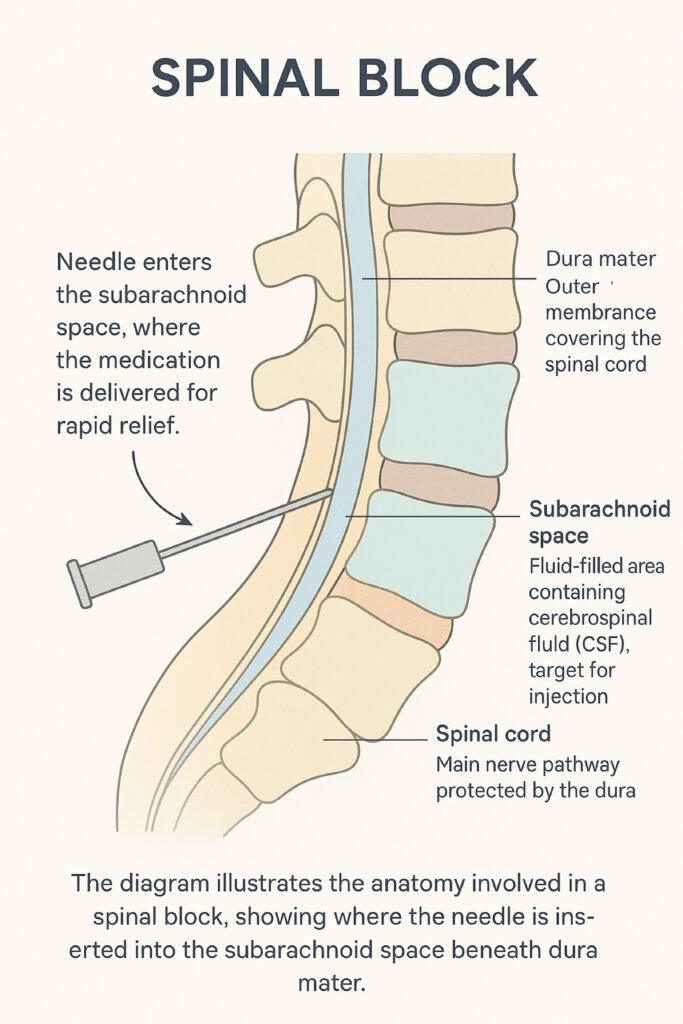
The effects usually last 2 to 6 hours, but the procedure can be repeated if necessary, depending on your condition and response.
Throughout the procedure, you may feel brief pressure or stinging, but the medical team often uses imaging guidance, such as fluoroscopy or ultrasound, to ensure accurate needle placement and minimise discomfort. If you experience sharp pain during the injection, inform your clinician immediately.
Note: Repeating spinal blocks is possible but depends on your diagnosis, overall health, and how well you respond. Dr Yasser Mehrez can advise on safety and timing if multiple injections are needed.
Common conditions treated with a spinal block include sciatica, herniated discs, and spinal stenosis, especially during severe flare-ups or diagnostic procedures.
How Epidurals Work
An epidural injection delivers medication into the epidural space, the fatty area outside the dura mater that surrounds the spinal cord. The healthcare provider inserts a needle just outside the dura, often with a catheter for repeated doses.
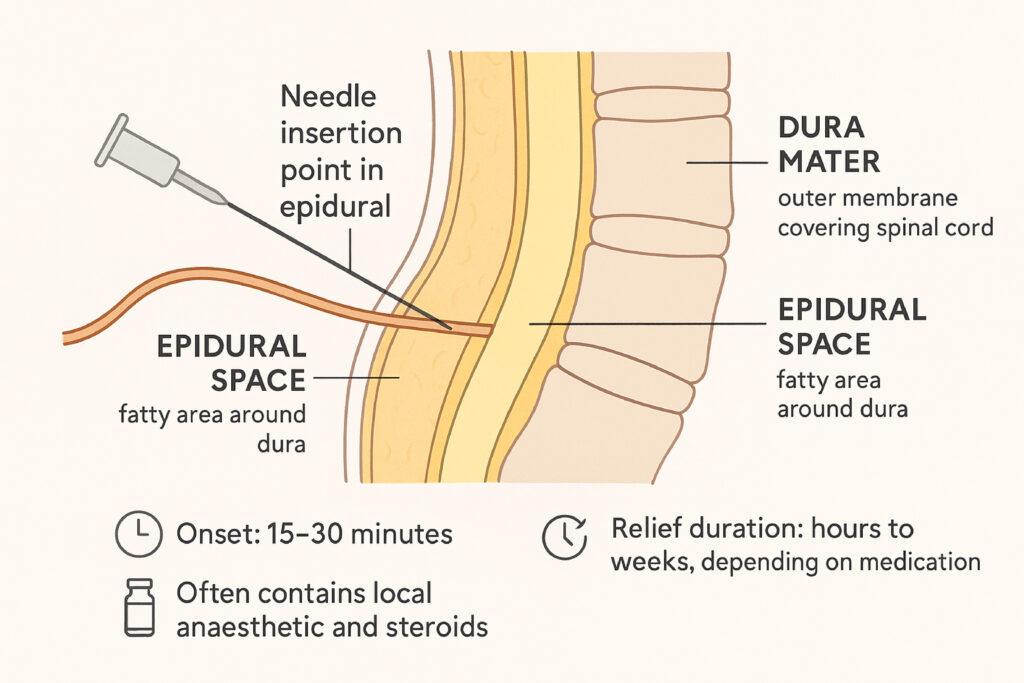
Epidurals usually contain local anaesthetic and steroids to reduce inflammation and ease pain from conditions like herniated discs, spinal stenosis, or facet joint pain. Whilst effective for symptom relief, they do not cure the underlying issue but can greatly improve quality of life during flare-ups or diagnostics.
Relief begins within 15–30 minutes and can last from hours to weeks, depending on your medication. Repeated injections are often possible and are based on your condition, response, and medical guidance.
Clinicians typically use fluoroscopy or ultrasound guidance to improve accuracy and safety, depending on the clinic and your procedure. You may experience brief pressure or stinging from the local anaesthetic during the procedure. The medical team uses measures to keep you comfortable, and it’s important to inform them if you feel sharp pain at any point.
When is a Spinal Block Recommended?
A spinal block can be a highly effective option in specific situations involving severe or acute back pain. Based on guidance from the NHS and NICE, it’s typically recommended for the following conditions and scenarios:
- Severe nerve pain, such as intense sciatica or nerve compression from herniated discs or spinal stenosis, particularly during flare-ups.
- Diagnostic testing to identify the source of acute pain or nerve irritation.
- Lumbar procedures where short-term anesthesia is sufficient, such as surgical interventions or targeted pain management tests.
- Situations requiring rapid, short-term pain relief.
Reddit Crowdsourcing on Spinal Steroid Injections
To help you manage expectations, we looked at Reddit to understand what others have gone through with spinal steroid injections. Here’s a user who crowdsourced experiences:
“I received a spinal steroid injection for my L5 pressing on S1 and noticed it helped me return to my condition from two months ago, but nothing more significant. I’m now wondering if it will improve further with more time or if this is as good as it gets after a week; I appreciate insights on results and timelines from others.”
— shovelcreed on r/backpain, November 2024
Results from spinal steroid injections vary widely; some experience quick relief, whilst others see minimal benefit. Typically, relief may peak within a week and last for a few months, but outcomes depend on individual conditions and response.
Dr Yasser Mehrez, a trusted chronic pain specialist in Harley Street, London, can help you determine if a spinal block or other treatments are appropriate for your needs.
When is an Epidural Recommended?
For back pain, an epidural is usually recommended when pain is severe and persistent, especially if medicines and other treatments haven’t provided relief. It’s also recommended for nerve pain radiating down the leg (like sciatica), or when daily activities and sleep are affected.
Epidural steroid injections can help ease pain, but they may cause side effects like soreness or headaches, with rare risks such as infection or nerve damage.
Real-Life Epidural Experience
Many patients share positive experiences after epidural steroid injections, like this Reddit user:
“After struggling with degenerative disc disease at L4-L5 and trying everything from PT to exercise, I received a lumbar epidural steroid injection and felt 99% of my pain and discomfort disappear within a day. It’s given me hope that this treatment can help manage my pain long-term, significantly improving my quality of life.”
Note: Patient stories reflect personal experiences and are not a substitute for professional medical advice. Dr Yasser Mehrez, a pain specialist in Harley Street, London, can help you determine if an epidural is suitable for your specific conditions and circumstances.
The patient was immediately able to return to normal activities. Although it’s not a permanent solution, it provides pain relief temporarily until you need to repeat the dosage. Check out our guide on epidural injection for back pain for more details.
Chronic vs Acute Back Pain
Understanding whether your back pain is acute or chronic is crucial for choosing the right treatment. In the UK, NHS guidelines emphasise the importance of accurate diagnosis before proceeding with management.
Acute back pain develops suddenly, often after injury or strain, and usually lasts a few days to weeks. It often improves with rest, medication, or home remedies. For example, a sudden muscle strain after lifting can cause short-term discomfort that resolves relatively quickly.
Chronic back pain persists for more than three months or recurs over time. It may result from underlying conditions such as arthritis, disc degeneration, or nerve issues. Conditions like sciatica, herniated discs, and spinal stenosis frequently require targeted interventions, such as spinal blocks or epidurals, to manage persistent pain effectively.
Consult with Dr Yasser Mehrez if you’re experiencing red flags like sudden weakness, loss of bladder control, or unintentional weight loss. Dr Mehrez is a renowned pain management specialist in Harley Street, London, who accepts both walk-ins and e-consultations.
Understand the anatomy and treatment of female lower back pain in our separate guide.
Side Effects and Risks
Both spinal blocks and epidurals are generally safe, but they carry potential side effects and rare serious risks. Understanding these helps you make informed decisions. Below are key risks and red flags that require urgent medical attention:
Spinal Block
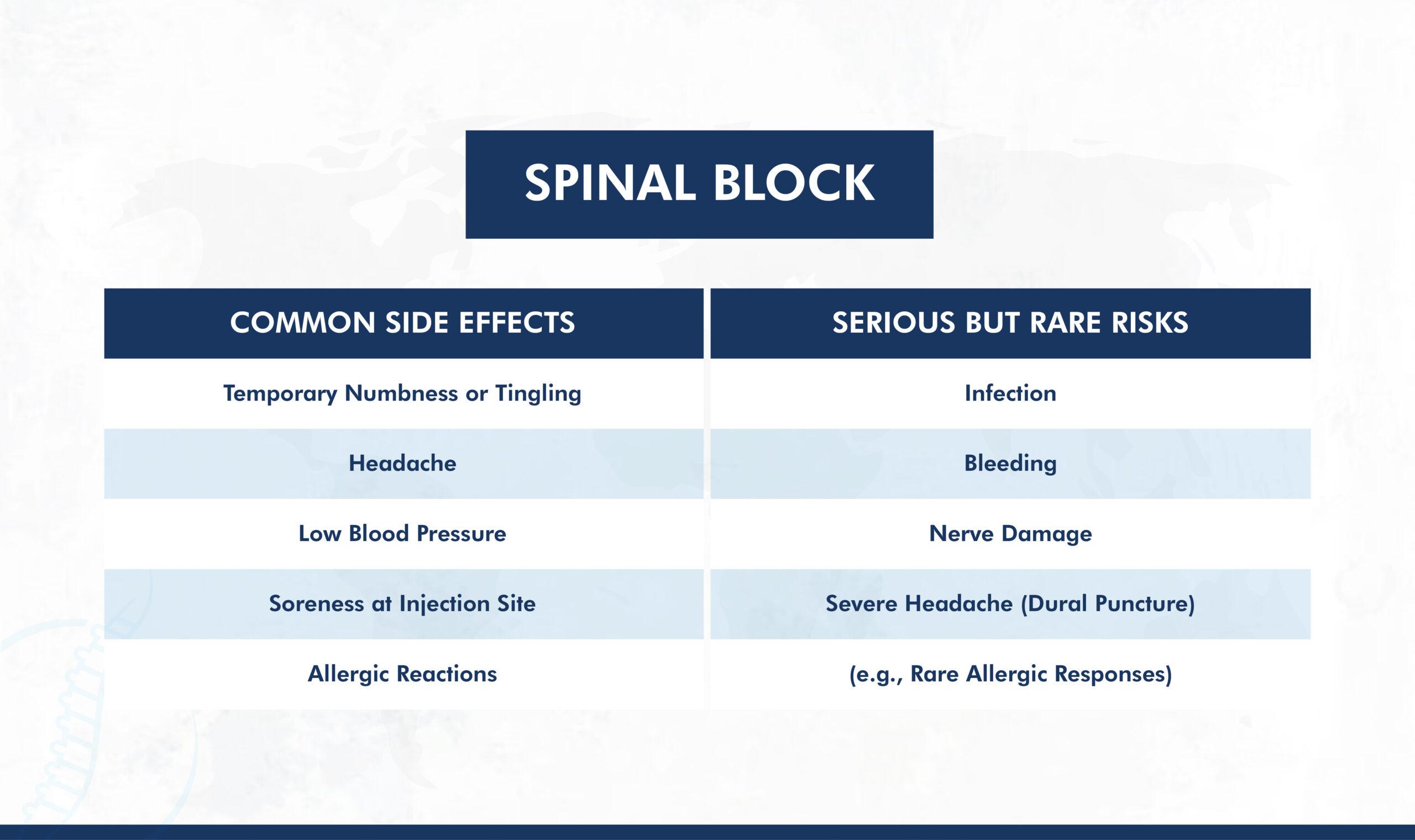
Epidural
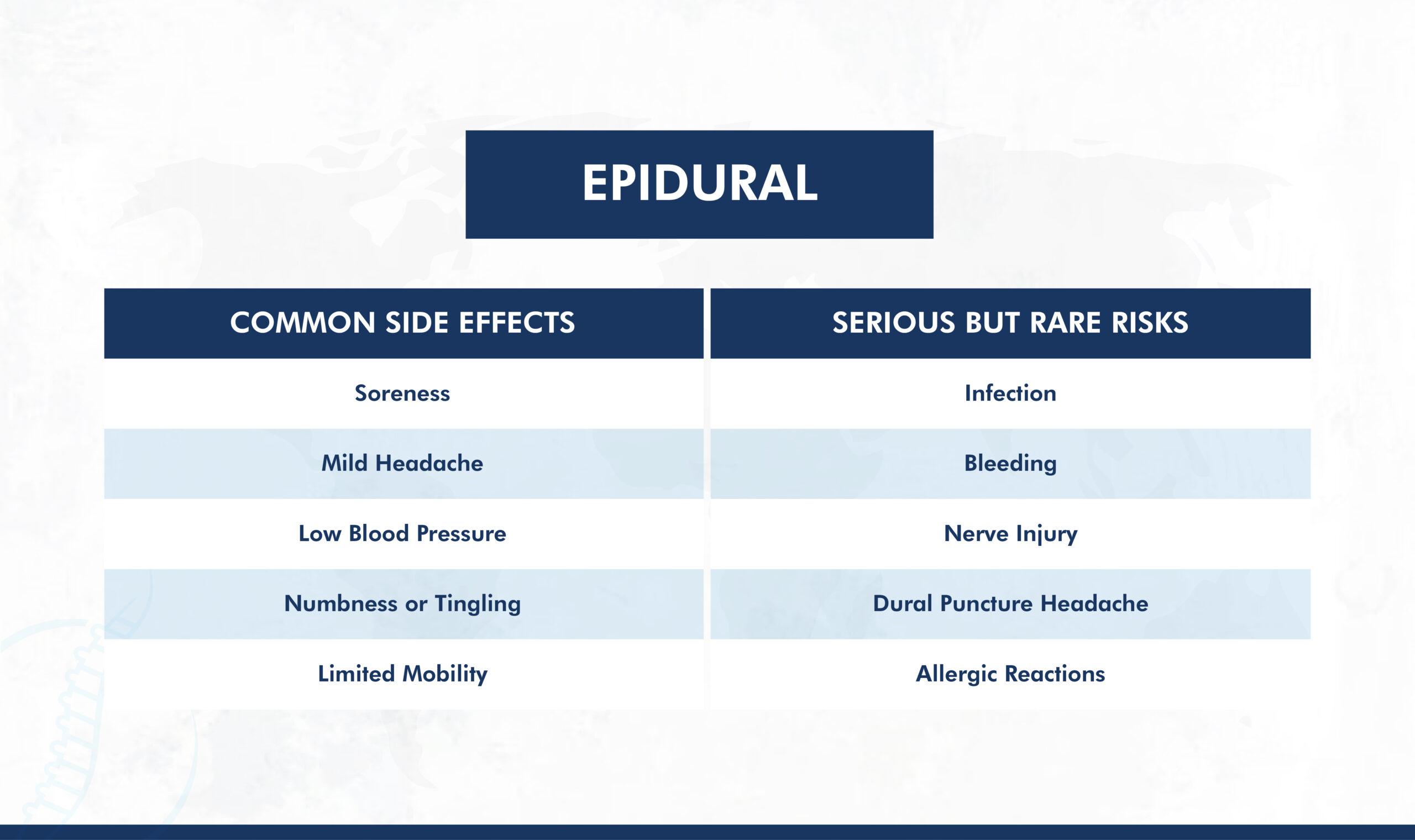
Red Flags | Seek Urgent Care If You Experience:
- Fever, chills, or signs of infection
- Loss of bladder or bowel control
- Sudden weakness or numbness in legs
- Severe or worsening headache
Additional Risks to Know:
- Fluoroscopy or ultrasound guidance (used to improve accuracy) carries minimal risks like radiation exposure or device malfunction.
- Allergic reactions to medications are rare but possible.
- Dural puncture can cause headaches. Patients should be aware of this risk.
Consult Dr Yasser Mehrez or your pain specialist immediately if you experience any of these red flags to ensure safe management.
Recovery and Aftercare
Most patients rest on the day of the procedure. After a spinal block, numbness in the lower body typically lasts a few hours; avoid driving until sensation fully returns, and your normal movement resumes. With an epidural, pain relief may last several days, and most patients can walk soon after, but heavy lifting should be avoided for 24 hours.
Follow-Up & Monitoring
Attend all scheduled follow-ups. Watch for red flags: fever, chills, worsening or new leg weakness, numbness, or severe headache. Seek urgent medical care if these symptoms occur; early detection ensures safe recovery.
What to Expect
Immediately after the procedure, you may feel numbness or tingling, especially around the lumbar spine (L1–L5). You might also notice mild soreness at the injection site. These effects are normal, and activity can gradually resume but follow your clinician’s advice closely.
Other Considerations
The anesthetic effect targets specific nerves in the lumbar spine, with fluoroscopy or ultrasound guidance often used to improve accuracy and safety. The temporary numbness and tingling are expected effects of the local anaesthetic, which typically lasts a few hours for spinal blocks.
Real-Life Patient Experience
Many people share mixed results after spinal steroid injections. One Reddit user shared:
“I received a spinal steroid injection for my L5 pressing on S1 and noticed it brought my pain back to how I felt two months ago, but no more significant improvement so far. I’m now wondering if it will have more effect over time or if the peak relief has already passed.”
— shovelcreed on r/backpain, 2024
It’s common for relief to plateau after a week, but some patients experience gradual improvements over several weeks, whilst others find the effect diminishes quickly. Discuss your case with Dr Yasser Mehrez, a trusted pain specialist in Harley Street, London. He can help you set realistic expectations and explore further options if needed.
Cost and Access in the UK
In the NHS, spinal blocks and epidurals are available at specialised pain clinics across regions. Access varies depending on your location, with some areas experiencing longer wait times. These treatments are usually provided through NHS referral and are free if you meet specific criteria, or can be self-funded via private clinics.
In private clinics, the procedure typically costs between £500 and £1,500, depending on the clinic and whether imaging guidance (fluoroscopy or ultrasound) is used. Additional fees may apply for consultations, follow-up visits, or advanced imaging. Costs differ based on your location, clinic policies, and insurance coverage.
Always check with your healthcare provider or pain specialist about availability, costs, and eligibility for NHS treatment, especially if you’re considering private options or have insurance coverage.
Spinal Block vs Epidural: How to Decide
Choosing the right procedure depends on your diagnosis, pain duration, and treatment goals. Use this decision guide to clarify your options:
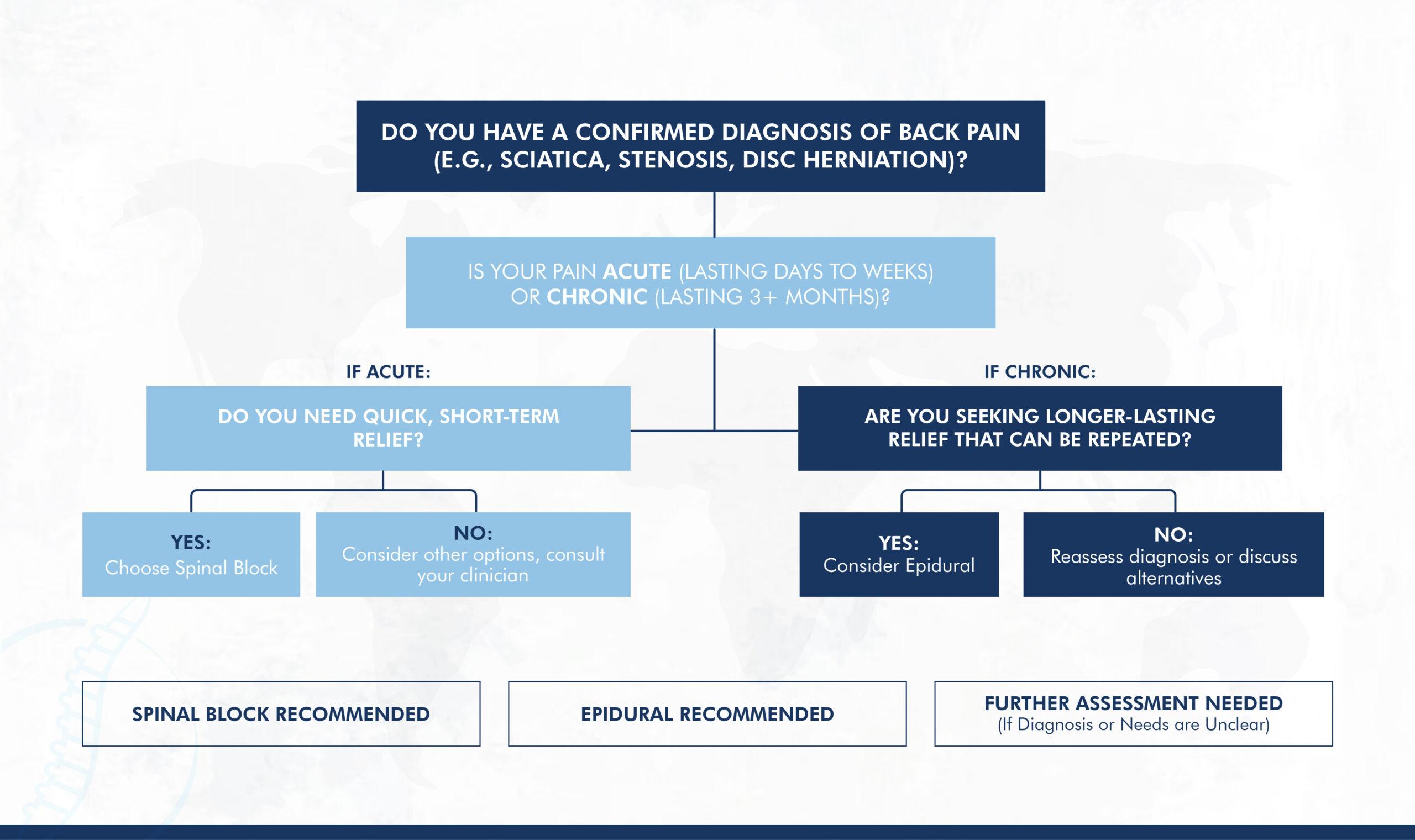
Consult Dr Yasser Mehrez to review your answers, ensure your safety, and identify the most appropriate option tailored to your condition.
FAQs
Which is safer for back pain, a spinal block or an epidural?
Both are generally safe when performed by a trained pain specialist. An epidural injection is more common for back pain, whilst a spinal block is less often used. Generally, risks are small but include infection, bleeding, or nerve irritation if it occurs.
How long does pain relief last with a spinal block vs an epidural?
Many patients ask how long pain relief lasts after a spinal block and epidural, so this section sets out typical time frames and factors that shorten or extend relief.
A spinal block usually provides strong pain relief for 2–6 hours. An epidural injection can last from several hours to a few weeks, especially when combined with a steroid injection.
Can spinal blocks be repeated like epidurals?
Spinal blocks are not usually repeated often, as they are designed for short-term relief. Epidural injections, however, can be repeated under specialist guidance, usually spaced weeks or months apart.
These are particularly repeated for chronic back pain conditions such as spinal stenosis or a herniated disc.
Do both procedures carry the same risks?
Both carry similar risks, including temporary headache, soreness, or dizziness. Rare but serious risks include infection, bleeding, or nerve damage. An epidural injection may also cause a dural puncture headache. Serious complications are uncommon if you get procedures under fluoroscopy or ultrasound guidance.
Which is better for chronic back pain?
If you have long-term conditions like sciatica, spinal stenosis, or facet joint pain, an epidural injection is usually recommended. It can deliver steroids for extended relief and be repeated if you need. A spinal block is more suited to short-term or diagnostic pain management.
Are these options right for sciatica?
Yes. An epidural injection is often used, if your sciatica is caused by a herniated disc or narrowing in the lumbar spine. A spinal block may help during your severe flare-ups but is less commonly chosen for long-term management. In either case, you should always confirm suitability with your pain specialist.
How soon can I return to normal activity?
After a spinal block, you may regain movement within the next few hours. On the other hand, after an epidural injection, you may perform light activities the next day. But, avoid heavy lifting for at least 24 hours.
Will I feel pain during the injection?
You may feel brief pressure or stinging when the local anaesthetic is given, and some pressure as the needle is placed. Most people describe it as uncomfortable rather than painful. However, fluoroscopy or ultrasound guidance makes the process quicker and more precise.
Is imaging guidance used?
Yes, many clinics use fluoroscopy (X-ray) or ultrasound guidance to place the injection accurately. This reduces the chance of complications and ensures the medicine reaches the right spot in the lumbar spine. Ask your provider if imaging will be used in your case.
Do I need a referral in the UK?
For NHS care, yes. You usually need a referral from your GP to see a pain specialist. For private treatment, you can self-refer, but some private insurance providers still require a GP or consultant referral to cover the cost.
What is the difference between a spinal block and epidural
A spinal block places medicine into the fluid around the spinal cord for quick, strong numbness. An epidural places medicine into the space around the dura for slower onset and flexible top up doses. A spinal block suits short procedures or sharp flare ups. An epidural suits longer term pain control or repeated dosing.
How long does pain relief last after a spinal block and epidural
Relief after a spinal block often lasts a few hours, depending on the drug mix and dose. Relief after an epidural injection may last from several hours to several days or weeks. Results vary with the cause of back pain, drug type, and whether steroid is used. Your specialist explains expected duration for your case.
Is a spinal block and epidural safe for chronic back pain
Both treatments carry risks such as headache, infection, bleeding, or nerve irritation, yet serious complications stay rare when an experienced pain specialist performs the procedure. Safety depends on your general health, blood thinners, and any spinal problems. A full assessment helps decide if injections are suitable or if another option fits better.
Do I need a GP referral for spinal injections in the UK
Many NHS pathways require a GP referral before spinal injections. Private clinics often accept self referrals, yet a summary from your GP still helps. Check local NHS rules and ask the clinic team which documents they require before booking.
Spinal Block and Epidural Advice from a Harley Street Specialist
Dr Yasser Mehrez is a pain management specialist based in Harley Street, London. He offers spinal blocks, epidural injections, and wider back pain treatment plans tailored to each patient. For ongoing or severe back pain, book a consultation and review all suitable options before agreeing to any procedure. Book your consultation today.